Sustainabilityin urban development
Sustainability is about much more than climate protection. For IBA Hamburg, sustainable urban development means considering environmental, social and economic objectives together right from the start. After all, liveable districts are created where people enjoy living, working and spending their leisure time, without compromising the opportunities of future generations. The three dimensions of sustainability therefore form the basis for the development of all IBA Hamburg neighbourhoods. In doing so, IBA Hamburg takes a holistic approach: housing, work, mobility, open spaces, energy supply, climate resilience and social infrastructure are not considered in isolation, but as closely interlinked building blocks of sustainable urban development.
56 %
of their disposable household income spend alone living students on accommodation costs (Source: Federal Statistical Office, 2026)
38
is the number of nature reserves in Hamburg.
About 60 %
of Germany's total electricity production comes from renewable energy sources. (Source: Destatis)
45.5 %
Environmental sustainability
means using resources responsibly and making neighbourhoods fit for the future. This includes climate-friendly energy supply systems based on renewable energy, sustainable transport options, resource-efficient building materials, and measures to adapt to the consequences of climate change. Green spaces, parks, trees and water features help to reduce heat, retain rainwater and enhance biodiversity. At the same time, IBA Hamburg is committed to development that makes the most efficient use of land, enables mixed-use development and reduces the consumption of natural resources.
Social sustainability
puts people at the heart of things. A neighbourhood should be there for everyone, regardless of age, background, life circumstances or income. Therefore affordable housing, accessible facilities, a variety of housing options, good education and childcare provision, as well as spaces for socialising, culture, sport and leisure, are all part of sustainable urban development. The aim is to create neighbourhoods that foster diversity, encourage participation and support harmonious coexistence. This also means that social infrastructure – such as schools, nurseries, healthcare services and neighbourhood centres – is factored into the planning right from the start.
Economic sustainability
ensures that neighbourhoods continue to function effectively in the long term. This includes affordable housing, flexible buildings and spaces, stable economic development and the strengthening of regional value creation. Short commutes between home and work, vibrant ground-floor areas, and space for trades, services and local businesses not only create jobs but also enhance a neighbourhood’s appeal and resilience. Sustainable investment and adaptable structures ensure that neighbourhoods remain viable in the long term and are able to respond to social changes.
It is only through the interplay of these three dimensions that sustainable urban development becomes possible. When the environment, society and the economy are in balance, neighbourhoods emerge that are not only appealing today, but will remain liveable, resilient and adaptable tomorrow. We as IBA Hamburg therefore view sustainability as a triad that underpins all planning and development processes and form the basis for future-proof neighbourhoods.
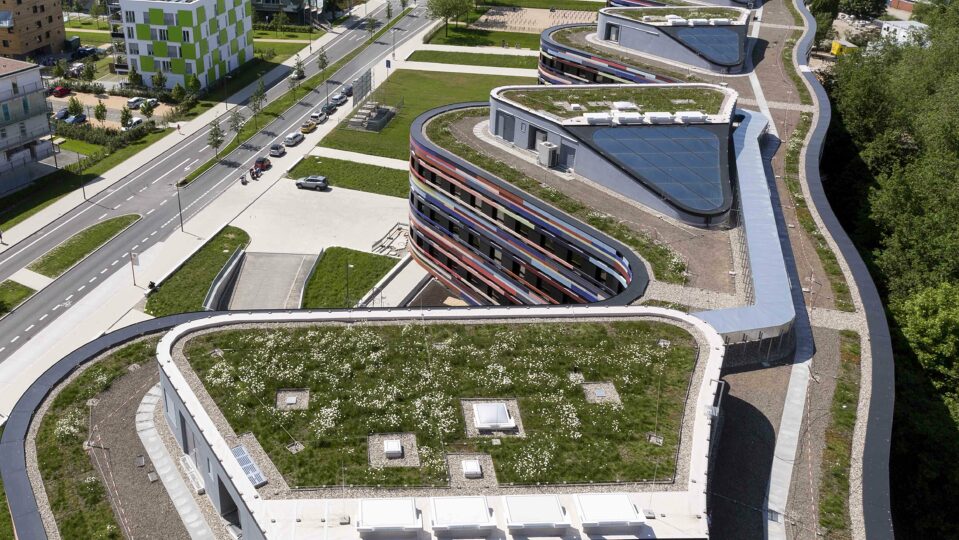
Examples of sustainable measures

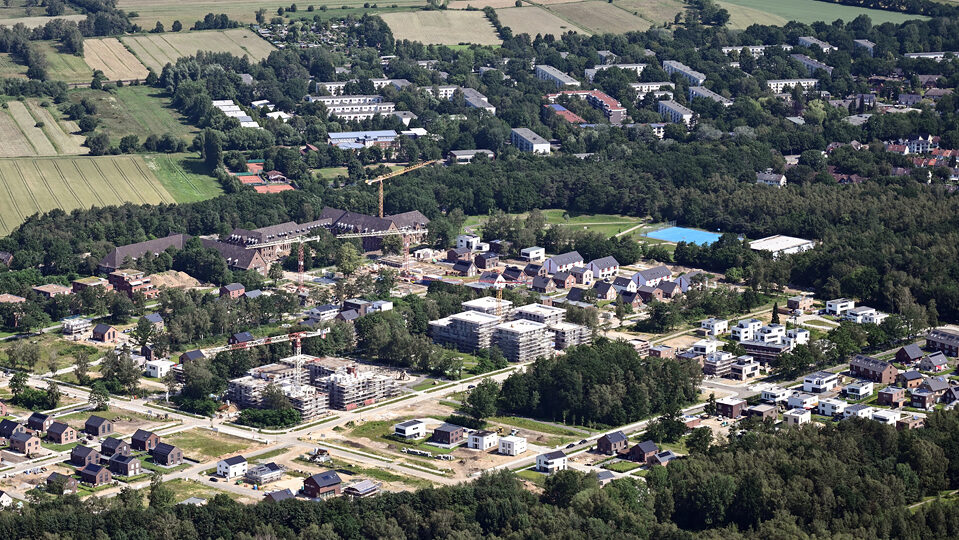

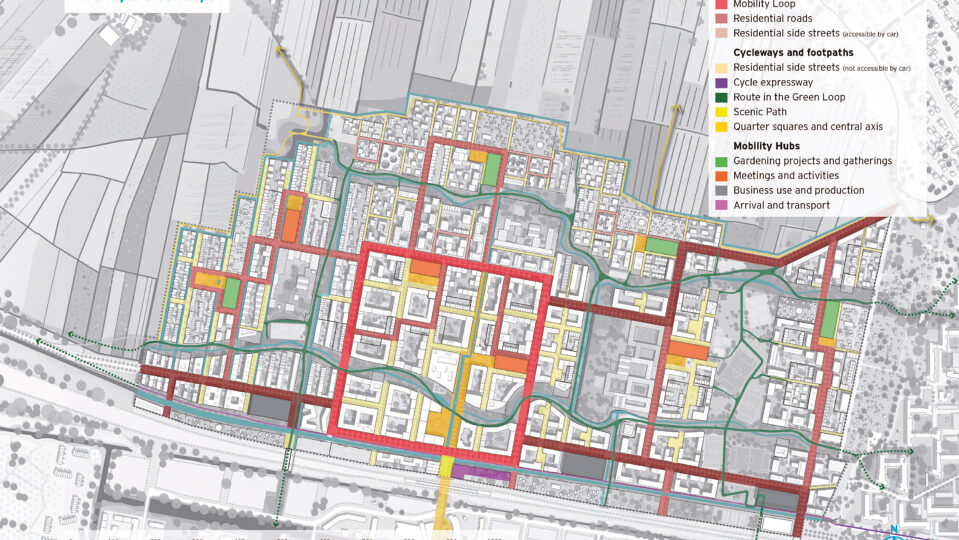
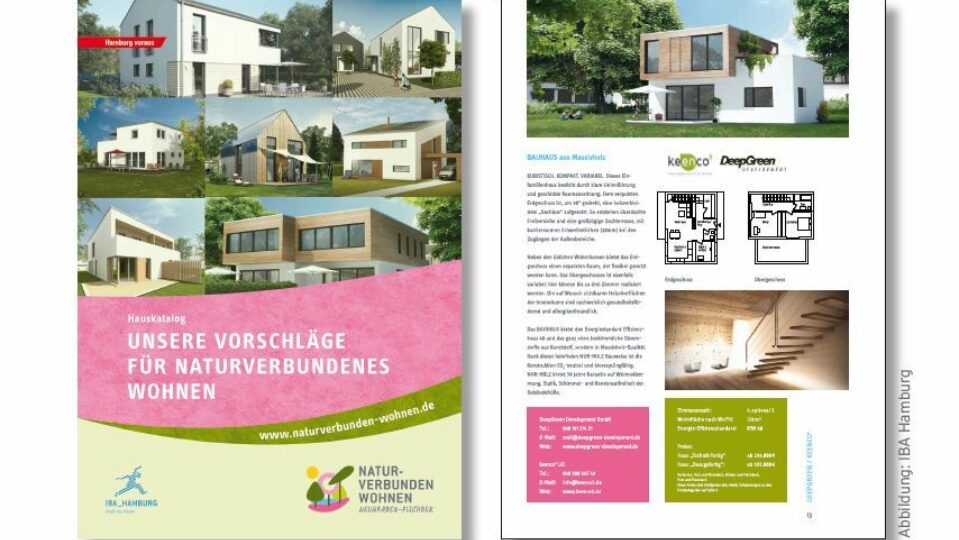

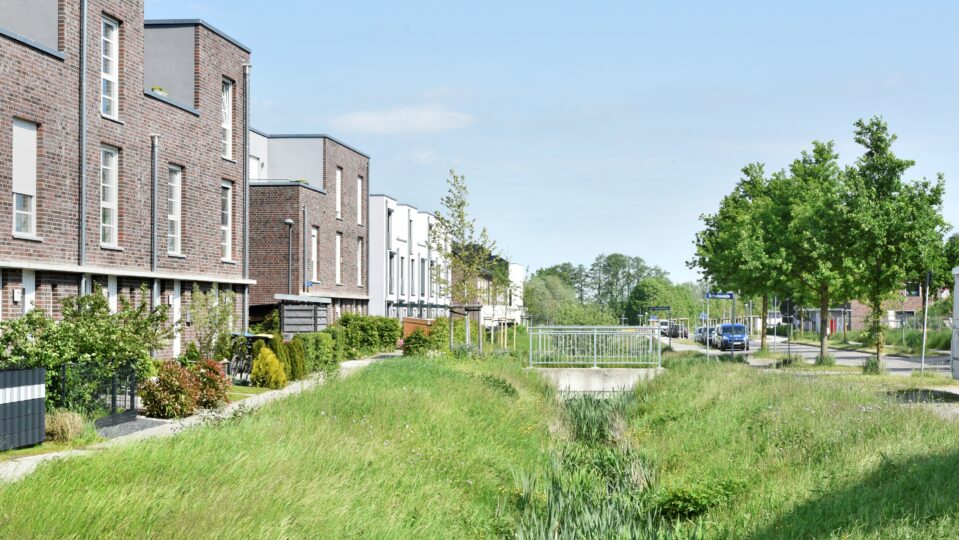
‘Cities, which account for only three to four per cent of the Earth's land area, consume at least 80 per cent of the world's resources. Efforts to reduce greenhouse gases and switch to renewable energies must therefore be concentrated in cities.’
IBA publication series; Metropolis: Resources
International Building Exhibition IBA Hamburg 2006 to 2013 – Main theme: Cities in Climate Change
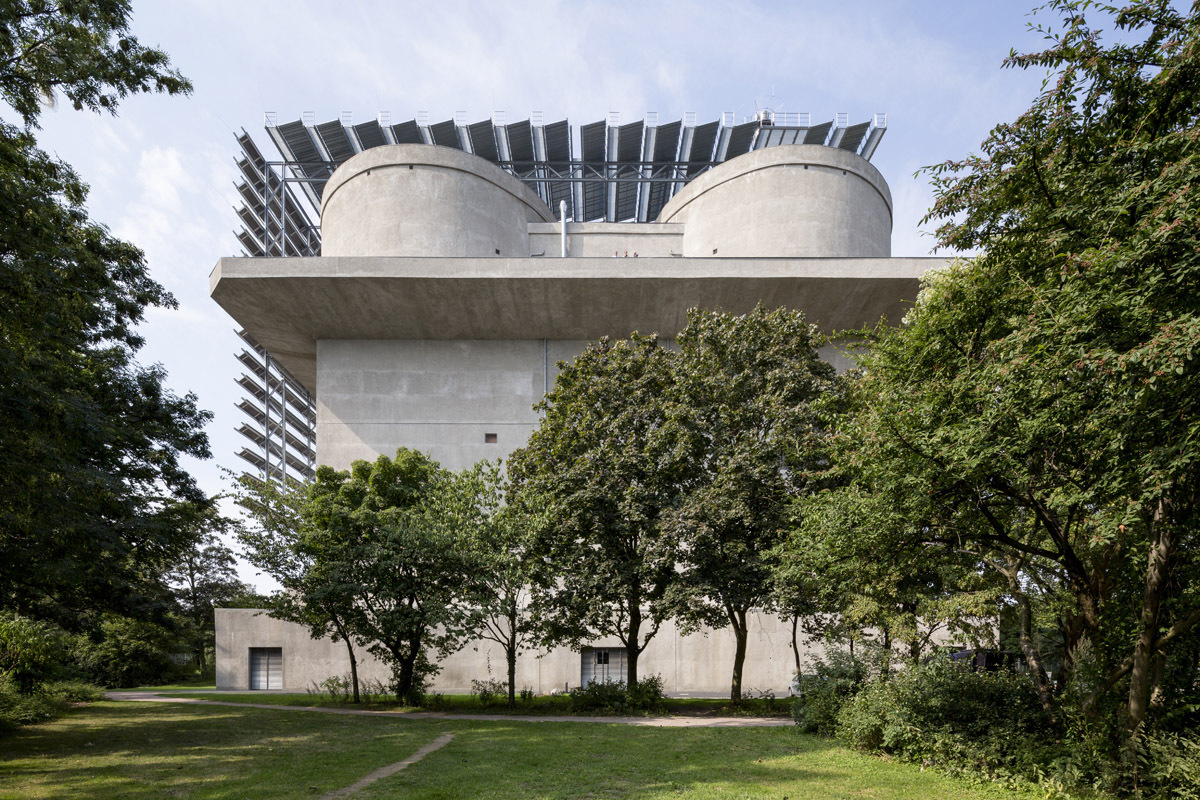
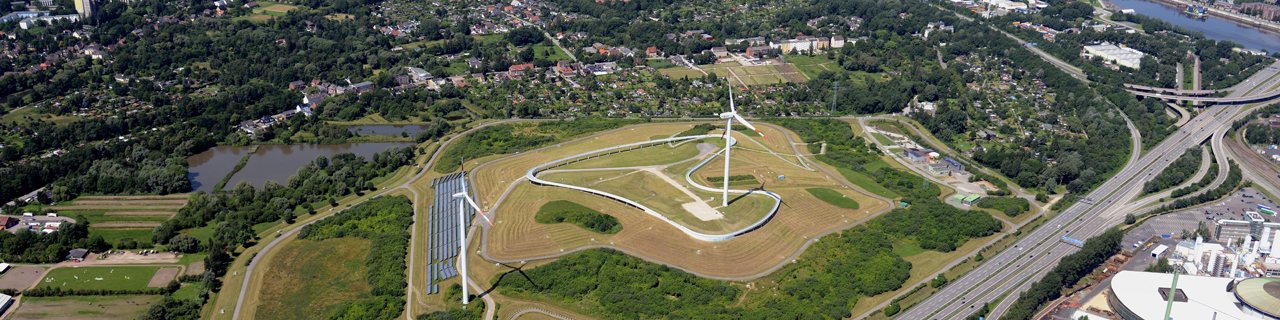
How can growth and sustainability be combined? CITIES IN CLIMATE CHANGE was one of three central themes of the International Building Exhibition IBA Hamburg and was intended to answer the big question of a climate-friendly future for the metropolis. Flagship projects such as the Energy Bunker and the Energy Mountain, as well as innovative ideas such as the BIQ algae house, emerged from this laboratory. Strategies for sustainable energy supply for entire neighbourhoods were also developed. Visit the International Building Exhibition archive to learn more about the projects.