Housing

IBA Hamburg aims to develop vibrant and sustainable neighbourhoods with a balanced mix of social housing, affordable privately-funded rental housing and owner-occupied housing. This so-called ‘one-third mix’ has already proved to be an effective basic tool for the development of sustainable neighbourhoods. It is also the aim of IBA Hamburg to create housing of high quality in terms of both urban planning and building design. The aim is to plan Hamburg’s neighbourhoods with a view to the future and to safeguard the city’s high quality of life for generations to come.
Easily accessible public transport, suitable infrastructure that is accessible to all, short distances to key locations, measures to adapt to climate change, the careful management of the natural environment and the promotion of biodiversity, as well as multifunctional green spaces, are just a few examples of holistic urban planning.
The human right
to housing is enshrined in numerous German laws.
SAGA Group
is with around 140,000 rental flats the largest housing provider in the city of Hamburg.
13.74 €
was the average rent per square metre per month in Hamburg in 2024 (Statista 2025).
‘As IBA Hamburg, we are developing 40 per cent of the future urban housing potential of the Free and Hanseatic City of Hamburg through innovative, sustainable neighbourhoods that offer affordable housing and a high quality of life.’
Kay Gätgens
Managing Director IBA Hamburg
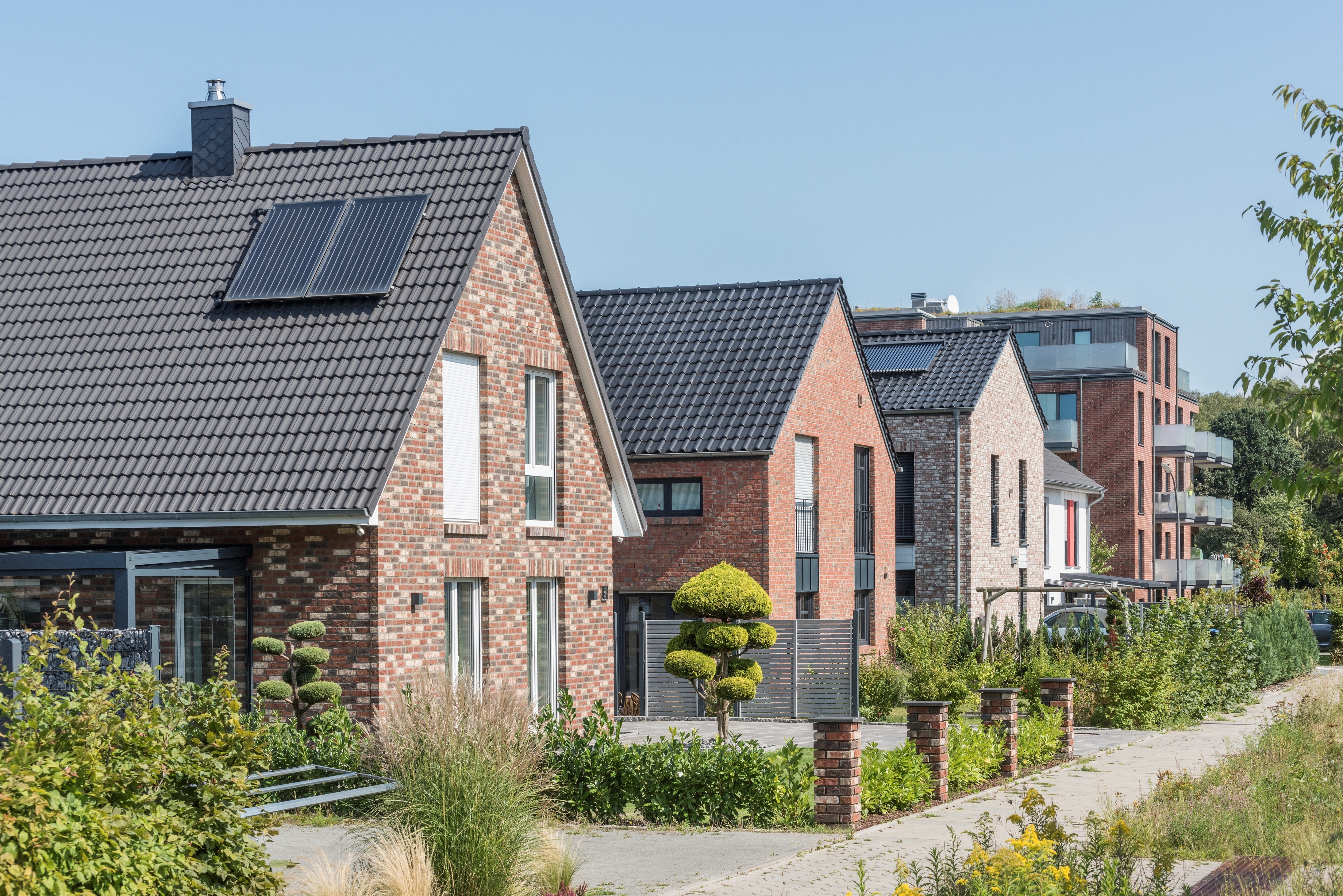
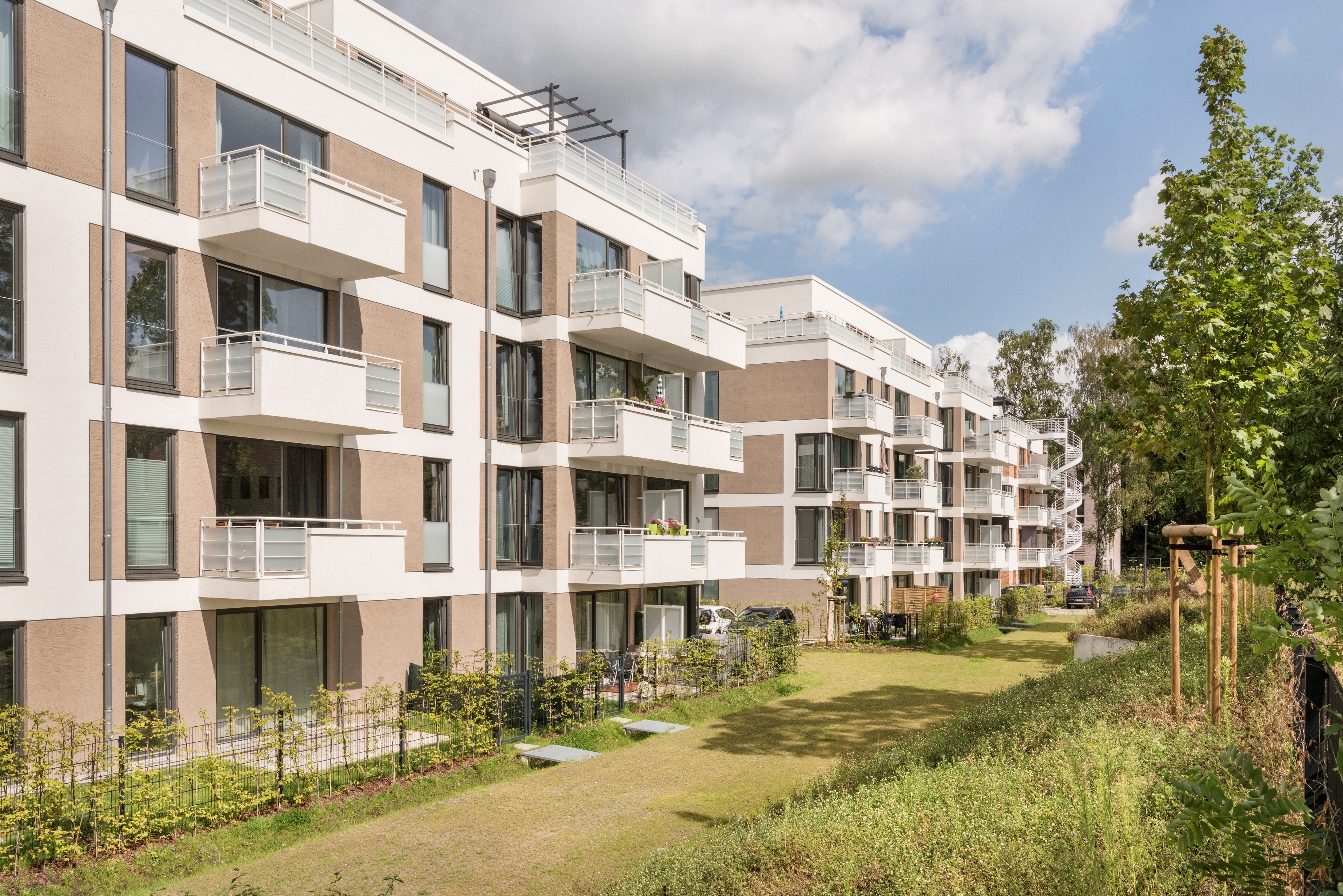
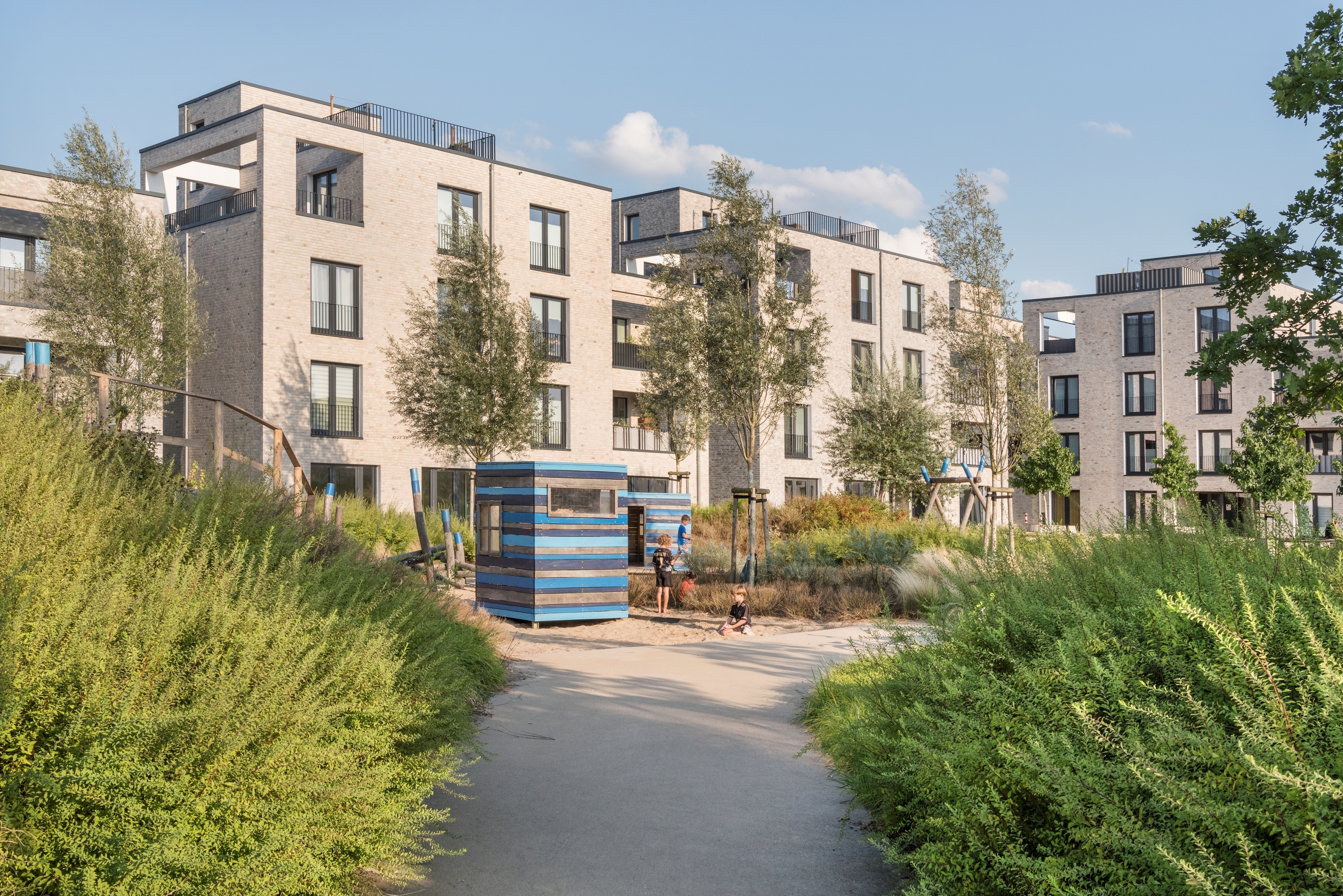
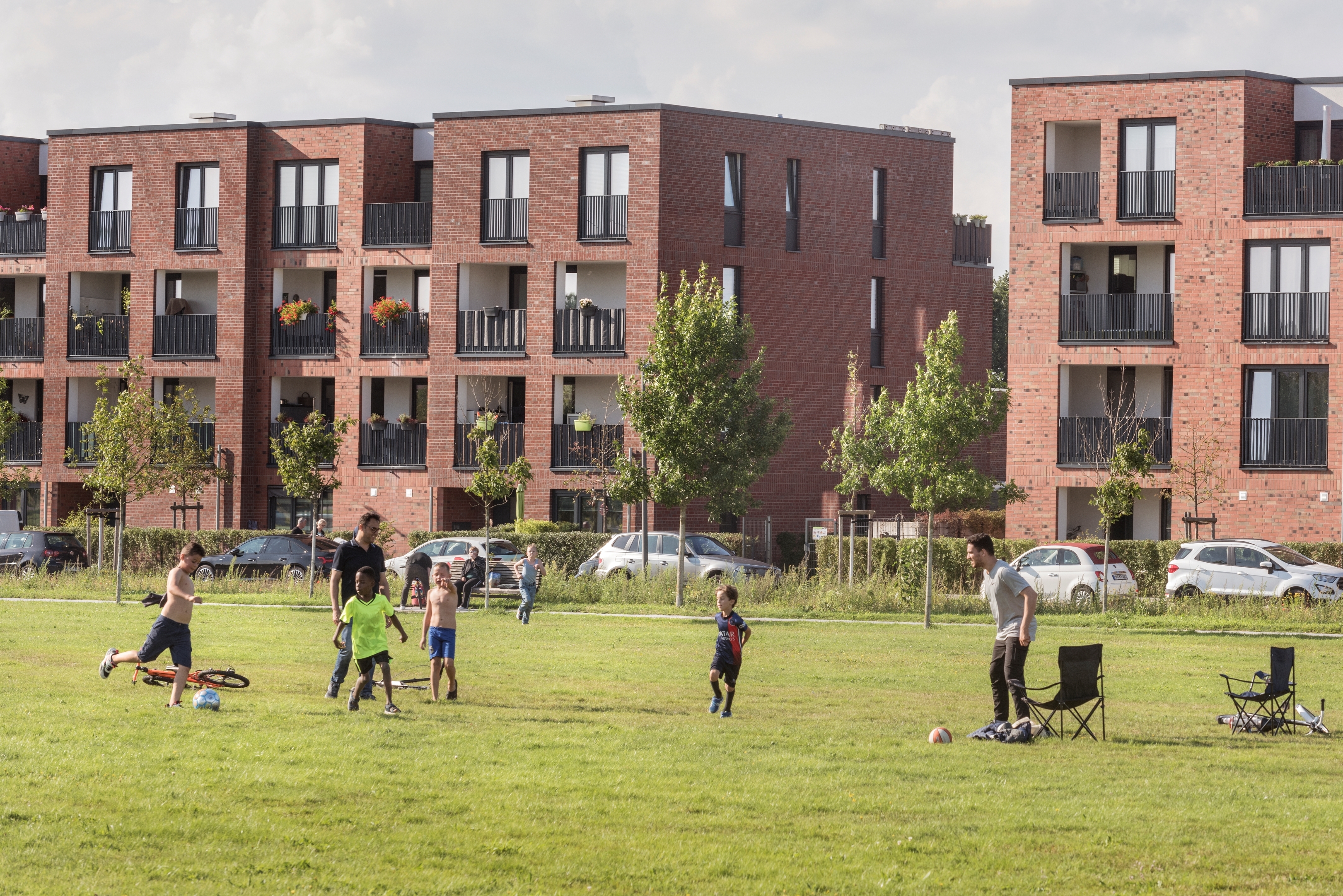
Diversity of building types
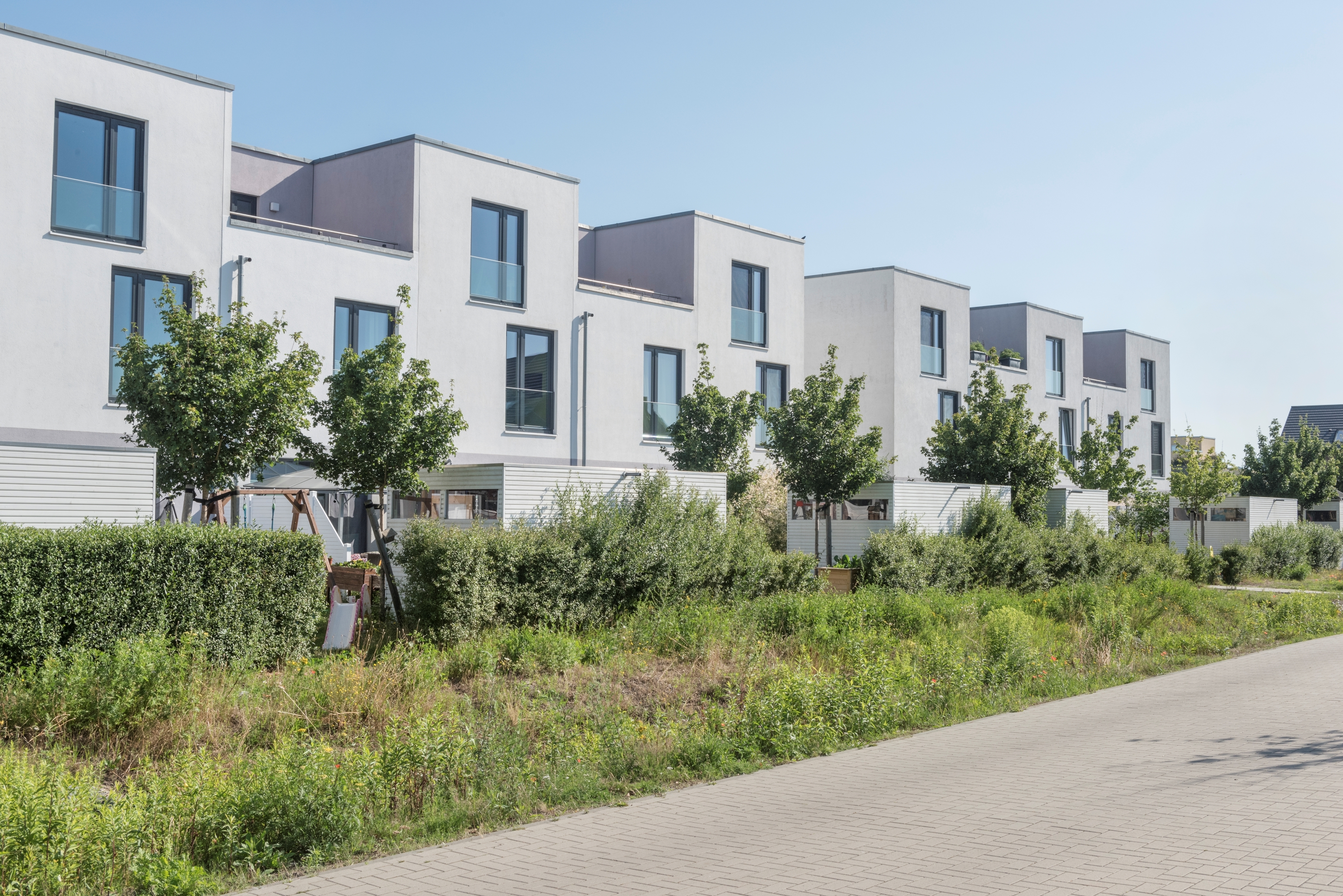
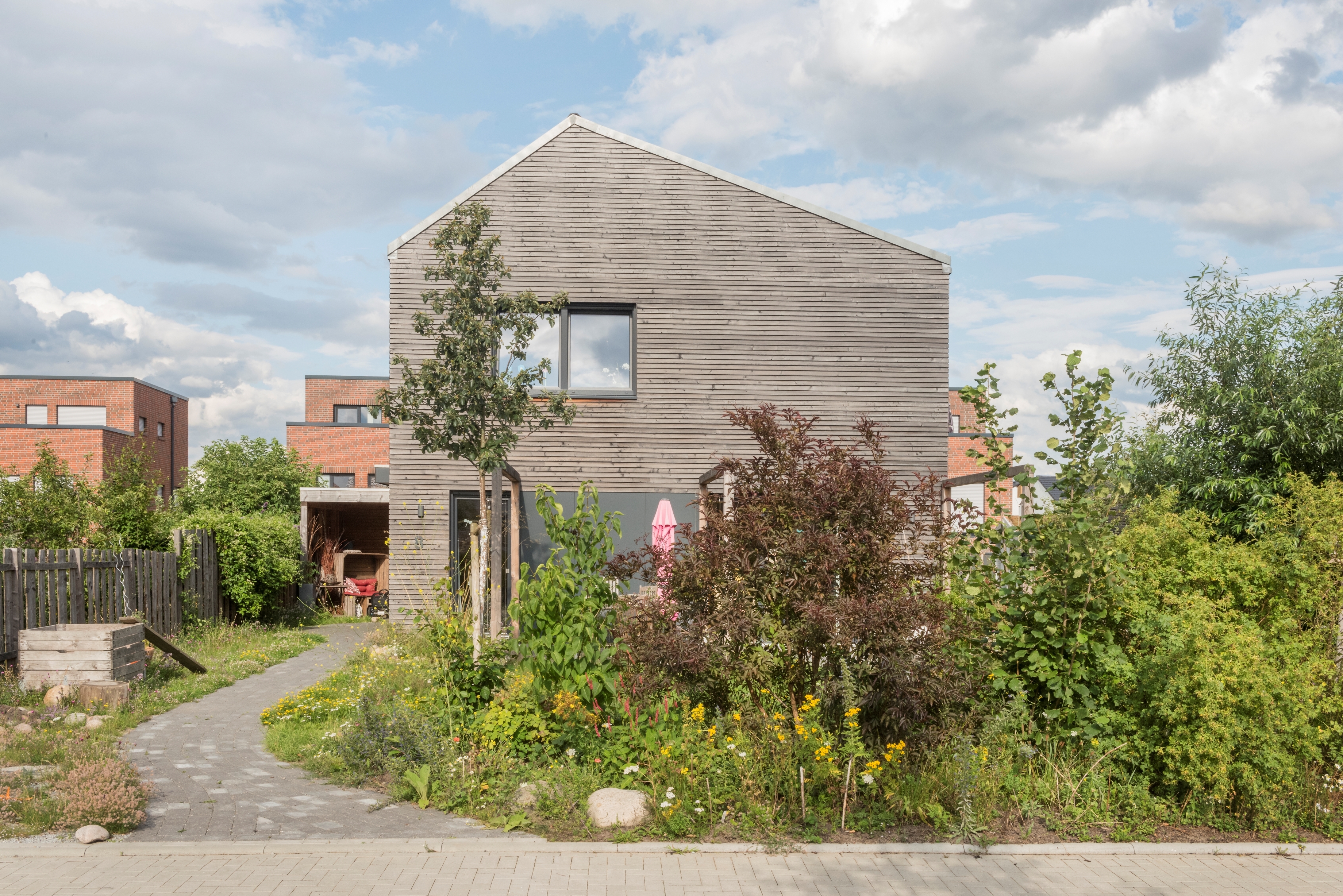
The aim is to create suitable housing to meet virtually all needs and requirements. A key factor in fostering the most vibrant neighbourhood possible is the creation of different building typologies, i.e. multi-family blocks, terraced houses and so-called townhouses. IBA Hamburg pursues high design standards, which encompass floor plans, façades and the transitions from private to public spaces. In the IBA Hamburg neighbourhoods, there is always a mix of commercial or social infrastructure on the lower floors and residential use on the upper floors.
Accessibility and inclusion
As many people as possible should be able to participate in social life on an equal footing and without barriers. The more accessible and barrier-free homes there are in a neighbourhood, the more successful participation will be. Furthermore, an inclusive neighbourhood is characterised by accessible public spaces and transport options. In addition, other private spaces – such as social facilities, neighbourhood centres, sports facilities and amenities and services for everyday needs – should be accessible to all.
Housing options for the elderly
Older people should be able to live in their own home or in a shared flat for as long as possible and, if necessary, have access to a support centre or emergency service within their neighbourhood. Possible models include shared flats for people with dementia, assisted living in shared flats, housing and care arrangements with care provided as and when needed, day care combined with various forms of accommodation, and housing projects based on the ‘Bielefeld Model’.
Building cooperatives
In the IBA Hamburg neighbourhoods up to 20 per cent of the plots are allocated to building cooperatives. A building cooperative is defined as a group comprising at least three households. Through various forms of ownership – such as leasehold, a flat owners’ association or under the umbrella of a large co-operative – they work together to create housing. This is often accompanied by a specific, bespoke building and living concept. To apply as a building cooperative, you must be registered with the City of Hamburg’s Agency for Building Cooperatives.
Innovative forms of housing and construction methods
Are you currently looking to buy or rent?
Multi-family and terraced houses are built and marketed in individual construction phases by investors or housing associations. IBA Hamburg does not arrange flats for individual tenants or buyers, nor does it maintain waiting lists.
You can find offers for investors and housing associations that we are aware of online at: iba-hamburg.de/bauen/wohnen
Sign up for our newsletter to receive updates on current project developments.
We currently offer both these services in German only.
Are you a full-time investor or project developer?
As marketing for individual construction phases begins, IBA Hamburg publishes land tenders on its website at www.iba-hamburg.de/bauen.
For enquiries regarding IBA Hamburg’s land and tenders, please contact , Sales Project Coordinator.
As a professional investor, you are welcome to join the IBA Hamburg’s email distribution list for investors.